
Palatine Museum
The Palatine Museum Experience
The Museo Palatino, established in the 19th century, is located in the heart of ancient Rome on the Palatine Hill. Visitors stepping into the museum are entering what once was the Monastery of the Visitation, an area rich with history. Archaeologist Alfonso Bartoli was instrumental in developing the museum during the 1930s, showcasing an extensive array of artifacts.
As visitors wander through the exhibitions, they encounter a timeline of history captured in the various displays. Each room provides a themed collection ranging from everyday life to the opulence of Roman leadership. Expect to see ancient sculptures and well-preserved mosaics and frescoes, which offer a glimpse into the past and evoke the magnificence of Roman culture.
Palatine Museum Collection
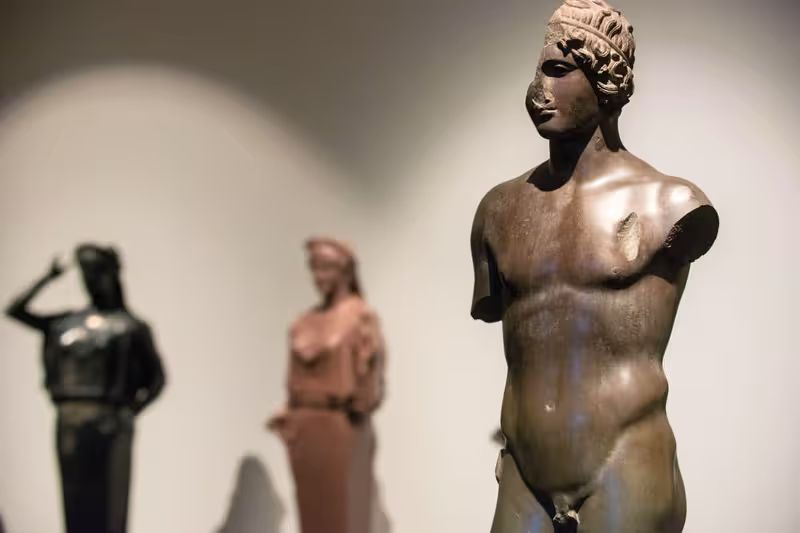
The Palatine Museum's collection is a testament to the grandeur of antiquity. It includes:
- Mosaics: Intricate and colorful designs that adorned the floors of the wealthy and powerful.
- Frescoes: Wall paintings provide insight into Roman aesthetics and social customs.
- Sculptures: From portraits of emperors to mythological figures, all carved with painstaking detail.
- Pottery and Statues: Many of which discovered within the Palatine Hill, particularly around the site of Villa Mills, reflecting the daily lives of those who lived there centuries ago.
Palatine Museum Visitor Information


Palatine Museum's Archaeological Discoveries
Ancient Residential Structures
Among the most significant discoveries housed in the museum are the ruins of ancient residential complexes, including the Domus Augustana and the House of Livia. These residential structures provide insight into the domestic lives of Rome's elite, highlighting the architectural sophistication hat characterized the homes of emperors and nobility.
FAQs and tips
How can I purchase tickets for the Palatine Museum?
Tickets to the Palatine Museum can be obtained online or at the ticket office on site. It’s advisable to pre-book tickets during peak tourist seasons to ensure entry.
How much does it cost to enter the Palatine Museum?
The cost of entry to the Palatine Museum is included with the combined ticket for the Colosseum, Roman Forum, and Palatine Hill.
Are there guided tours available at the Palatine Museum?
Guided tours are available and offer an in-depth exploration of the museum and its surroundings. Visitors can book a tour with an expert guide to enrich their experience.
Does entry to Palatine Museum include access to the House of Augustus?
Yes, the entry ticket to the Palatine Museum includes access to significant sites on Palatine Hill, such as the House of Augustus, the first emperor of Rome, allowing visitors to walk through the ancient rooms adorned with frescoes.