
Food & Drinks
Eating at the Colosseum
The Colosseum, a UNESCO World Heritage Site and Rome's most iconic attraction, does not have any cafés or designated dining areas on its premises. However, visitors are permitted to bring their own snacks. While eating inside the Colosseum is allowed, there are specific areas designated for this purpose. For those preferring to dine before or after their visit, the vicinity of the Colosseum is dotted with a variety of eateries.
In the area around this historic landmark, you will find numerous food and drink stands, offering quick snacks like sandwiches and cold beverages. The snack bar adjacent to the "Colosseo" Metro station provides seating for a short break. The area boasts a wide range of dining establishments.
For visitors in search of quick bites, pizza al taglio and sandwiches are widely available, while most local pasticcerias and bakeries offer a host of Roman desserts, such as crostata ricotta e visciole and maritozzi.
Drinking at the Colosseum
When visiting the Colosseum, it is important to stay hydrated! Although you can’t bring full water bottles inside, you can refill empty ones at the fountains. Rome's many nasoni (public fountains, literally "big noses" in Italian) offer free, fresh water, so there's no need to purchase overpriced bottles from vendors near the Colosseum and Roman Forum. These fountains are conveniently located throughout the city, including several inside the Colosseum. For those exploring the area outside, a fountain is available near the Colosseo metro station. Staying refreshed and hydrated is crucial, specially if you are visiting during Rome’s scorching summer months.
Colosseum Fun Fact
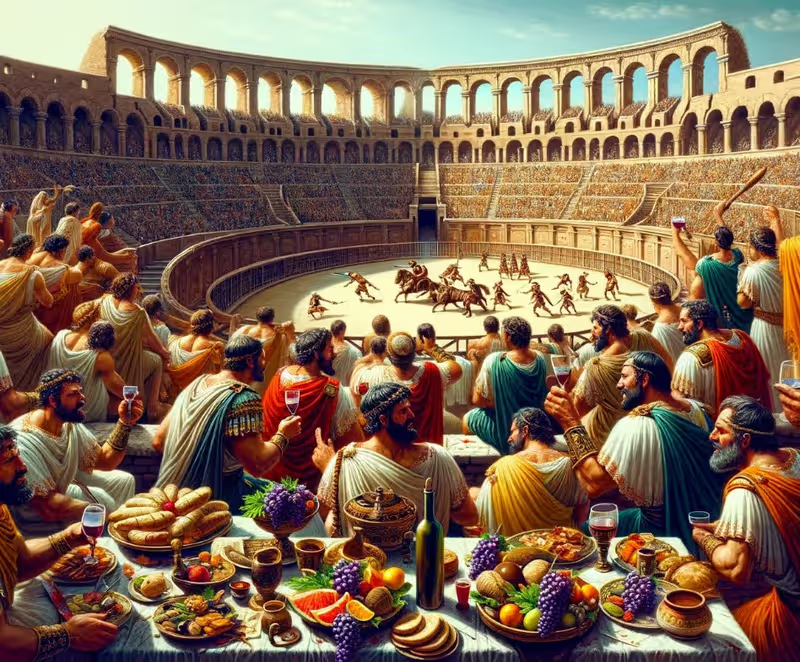
What did the Ancient Romans eat and drink at the Colosseum?
Roman people who attended events at the Roman Colosseum would typically bring their own food and drinks, as there were no concessions or vendors selling refreshments within the Colosseum itself. These items would vary depending on the individual's preferences and social status.
Bread was a staple food in ancient Rome, and people would often bring loaves of bread to the Colosseum.
Olives were a popular snack, and they could be enjoyed with bread.
Cheese was common food item that could be paired with bread or eaten on its own.
Fruit was also enjoyed by Romans at the Colosseum, mainly figs, grapes, and dates, which were easy to carry and eat.
Nuts were also popular snacks among Romans, such as almonds and walnuts.
Sausages were a favorite among the Roman populace and could be eaten cold.
Wine was a common beverage, and Romans often enjoyed it during public events.
FAQs and tips
Am I allowed to eat inside the Colosseum?
No, eating inside the Colosseum is not allowed to protect the site.
Can I bring drinks into the Colosseum?
Visitors can bring refillable bottles into the Colosseum, but glass containers and alcoholic beverages are not allowed.
Does the Colosseum sell food?
No, the Colosseum does not sell food. Visitors are advised to eat before their visit or bring their own snacks to enjoy outside the monument.
Do they sell water inside the Colosseum?
No, the Colosseum itself does not sell water, but they do offer tap water in a few fountains where you can refill your water bottle at. You can also opt to buy water bottles at vendors just outside the Colosseum.