斗兽场

关于斗兽场

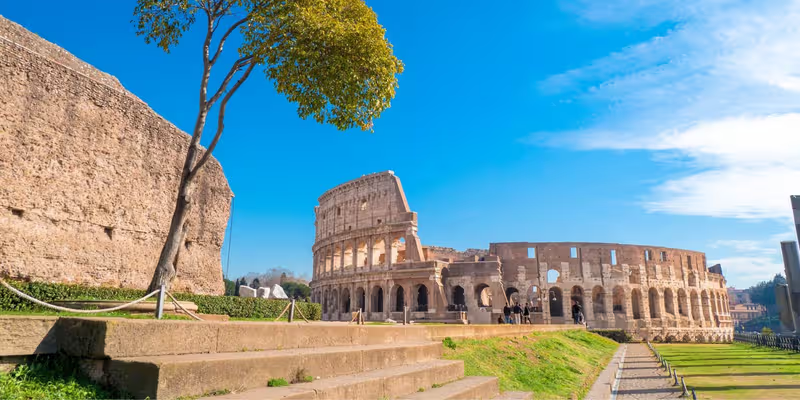
罗马斗兽场屹立于永恒之城的心脏地带近2000年,是古罗马人智慧与力量的永恒丰碑。它曾举办过古代最惊险、最残酷的表演——从角斗士搏斗和海战重演,到史诗般的战车比赛和残忍的公开处决——斗兽场是世界上最受欢迎的旅游景点之一。

这座巨大的圆形剧场提供了独特的视角,一窥罗马帝国时期的日常生活。在内部,游客可以探索广阔的竞技场和地下区域,那里曾是角斗士生活、训练和战斗的地方。斗兽场高耸的拱门和支撑柱反映了古罗马人令人难以置信的工程和建筑技艺,而上层则提供了令人惊叹的城市全景。所以,请来探索斗兽场遗址,穿越回那个充满戏剧和激情的时代。

有趣的事实

什么是斗兽场?

斗兽场是罗马市中心一座巨大的圆形剧场和建筑奇迹,其历史可追溯到近两千年前。它始建于罗马帝国的鼎盛时期,几个世纪以来一直是举行角斗士比赛、海战、战车比赛和宗教游行等惊险场面的场所。

罗马斗兽场展示了罗马的力量和复杂性,是罗马帝国工程技术力量的永恒象征,每年吸引数百万游客前来参观。

斗兽场建于何时?

斗兽场于公元 70 年维斯帕先皇帝统治时期开始建造,公元 80 年由他的儿子和继任者提图斯完成。维斯帕先的小儿子多米蒂安上台一年后,进一步开发了圆形剧场,修建了地下通道,并增加了座位区。

斗兽场在漫长的岁月中遭受了火灾和地震的严重破坏,最终被废弃。但在中世纪晚期,教皇返回罗马后,对这座古老的圆形剧场进行了大规模的修复和重建工作。

是什么让斗兽场如此与众不同?

斗兽场建在罗马市中心尼禄的私人湖泊遗址上,是世界上最大的立式圆形剧场,也是世界新七大奇迹之一。全盛时期,斗兽场可容纳多达 8 万名观众,许多重要活动都在斗兽场举行。

斗兽场克服了许多技术上的限制,是古罗马工程中影响深远的壮举,作为永恒之城丰富历史和文化的永恒象征,它激励了古往今来无数的艺术家。

斗兽场精华

竞技场

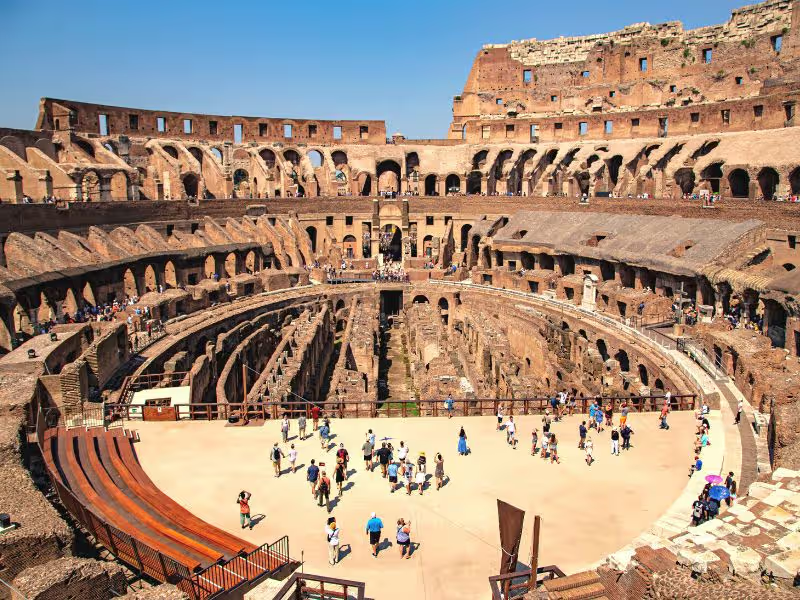
斗兽场的中心是著名的椭圆形竞技场,在这里,战士和野兽在咆哮的观众面前对决。

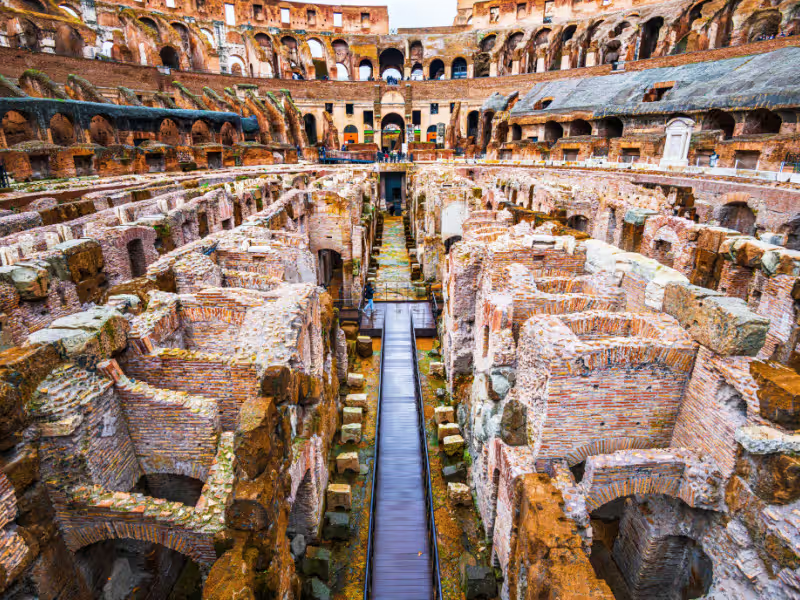
在铺满沙子的地面下,是一个由隧道和房间组成的迷宫,是战士和动物们的地下网络。但竞技场并不只是血腥和血腥的场所,它也是更和平的表演舞台,如模拟海战和宗教游行。

竞技场周围是复杂的走廊、楼梯和观看区系统,最多可容纳 8 万名观众,罗马皇帝则在北端的包厢里俯瞰全场。如今,斗兽场仍是一座令人回味的废墟,提醒着人们罗马辉煌的过去。

地下楼层

要想了解斗兽场竞技场幕后的神奇,真正领略古罗马人的技术和工程,千万不要忘记参观圆形剧场的地下楼层。

地下剧场(hypogeum)是一个由隧道、活门和走廊组成的创新而复杂的结构,是罗马人聪明才智的见证。这个地下网络可以无缝协调各种精心策划的活动,确保地面上不同表演和场面之间的顺利过渡。几个世纪以来,地下竞技场经过多次改建,还与著名的马格努斯角斗士训练场相连。

参加斗兽场之旅,回到过去,参观后台区域,角斗士、表演者和野生动物在登场前都在这里做准备。

斗兽场考古公园必游之地

金屋

尼禄皇帝著名的金屋(Domus Aurea)位于斗兽场北面的奥皮安山上。公元 64 年,尼禄皇帝的宫殿在一场大火中被焚毁,为了取代之前的宫殿,尼禄皇帝建造了 Domus Aurea 宫殿,宫殿名副其实,在郁郁葱葱的葡萄园和人工湖中,宫殿建筑气势恢宏,用黄金和宝石装饰。尽管几个世纪以来遭到了破坏,但这座古老宫殿的遗址仍在邀请您进一步了解这位声名狼藉的皇帝。

君士坦丁拱门

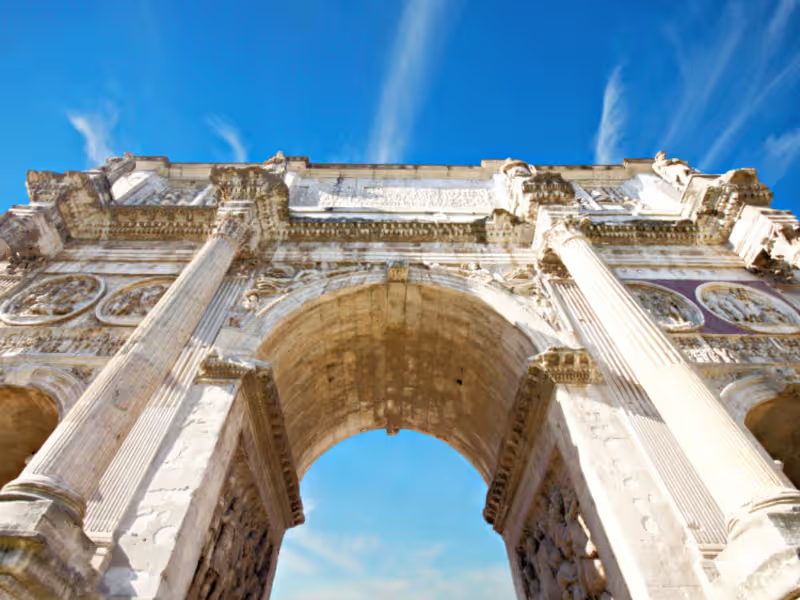
君士坦丁拱门(Arch of Constantine)矗立在斗兽场旁边,位于历代帝王胜利返回罗马的必经之路上。虽然这座装饰华丽的拱门的来历有点不详,但据说是为了纪念君士坦丁大帝执政十周年并战胜其前任而建。这座罗马帝国的最后一座宏伟纪念碑,以其独特的风格、雕塑和浮雕而备受赞誉,至今仍是全世界灵感和奇迹的源泉。

斗兽场博物馆

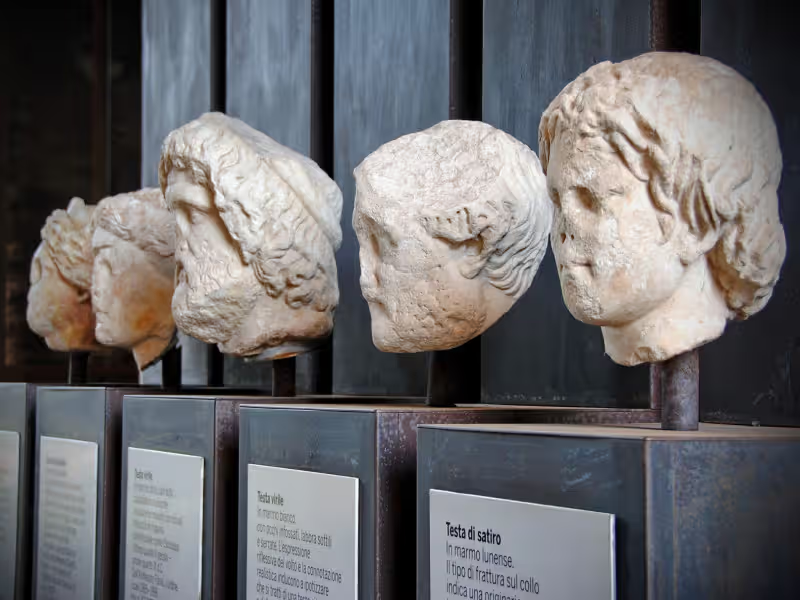
从古代史诗般的角斗场,到中世纪被基督教会采用,再到现代的象征性存在,斗兽场与罗马的历史交织在一起,源远流长。在斗兽场的二层,有一个专门介绍世界上最大圆形剧场的博物馆。博物馆收藏的考古发掘文物令人印象深刻,它们将揭示斗兽场的历史及其在几个世纪中的变化。

斗兽场和帕拉丁山

斗兽场和帕拉蒂尼山是罗马市中心具有深厚历史和象征意义的两大地标。雄伟壮丽的古罗马角斗士圆形剧场巍峨地矗立在帕拉蒂尼山脚下,几个世纪以来,这里一直是罗马富裕和有影响力阶层的家园。‍维斯帕西安皇帝决定建造斗兽场,以在不得人心的尼禄统治之后赢得罗马人民的青睐,尼禄的奢华宫殿曾一度占据帕拉蒂尼山。这座新的圆形剧场不仅能为大众提供娱乐,还能展示他的权力。‍如今,斗兽场和帕拉蒂尼山是古罗马帝国权力、宏伟和奢华的象征。游客可以走到斗兽场竞技场,看看角斗士曾为生命而战的地方,然后探索帕拉蒂尼山上的遗址,那里曾是皇帝们居住和塑造世界的地方。

罗马的七座山是什么?
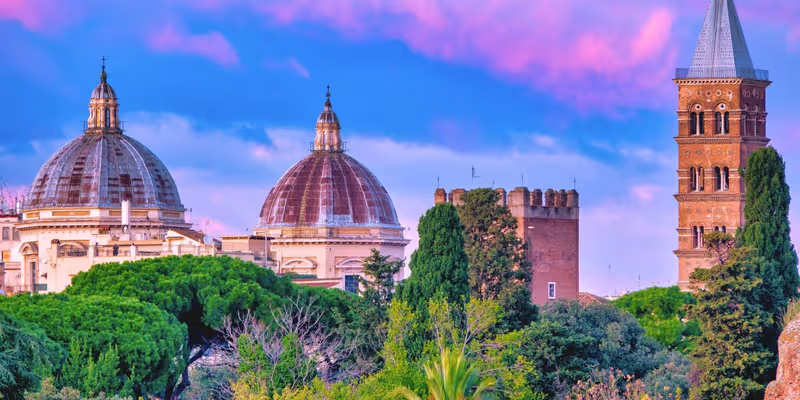
帕拉丁山(Palatine Hill

Palatine Hill, where myth and history meet, is the legendary birthplace of Rome and was home to many Roman emperors. The Colosseum stands tall, at the foot of Palatine Hill, which had long been the home of the city’s wealthy and powerful. Visitors can delve into the past by and get a glimpse of imperial opulence by exploring the Flavian Palace, admiring the magnificent frescoes in the House of Augustus and wandering through the House of Livia. The Palatine Museum, displaying many valuable artifacts and art recovered from the area, is another must-visit site, offering a window into ancient Rome's origins and grandeur.

Top attractions

  • The Colosseum
  • Flavian Palace
  • House of Augustus
  • House of Livia
  • Palatine Museum

国会山

Capitol Hill, the center of religious and political power in ancient Rome, stands as a testament to the Eternal City's enduring legacy. Visitors can immerse themselves in history at the site of the Temple of Jupiter Optimus Maximus and wander through the remarkable Capitoline Museums, showcasing an extensive collection of ancient Roman artifacts, statues, and art. The hill also boasts the captivating Piazza del Campidoglio, designed by the legendary Michelangelo, adorned with its iconic equestrian statue of Marcus Aurelius.

Top attractions

  • Temple of Jupiter Optimus Maximus
  • Capitoline Museums
  • Piazza del Campidoglio

亚汶丁山

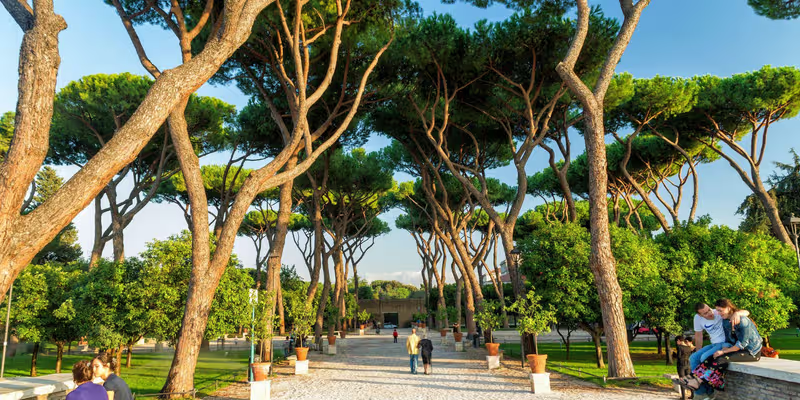
To the southwest of the Colosseum lies Aventine Hill, a picturesque haven among Rome's Seven Hills, which offers a peaceful retreat rich in history and culture. Once a working-class neighborhood, it now boasts elegant villas, gardens and churches, such as the Basilica of Santa Sabina and Church of Santa Prisca. Among the many highlights on the hill is the Knights of Malta keyhole, revealing a perfectly framed view of St. Peter's Basilica and the mesmerizing Orange Garden with its stunning city panoramas.

Top attractions

  • Basilica of Santa Sabina
  • Church of Santa Prisca
  • Knights of Malta keyhole
  • Orange Garden

凯利安山

Caelian Hill, a tranquil residential district, presents a perfect blend of Rome's historical and contemporary allure. Explore the intriguing layers of the Basilica of San Clemente, be amazed by the grandeur of the Baths of Caracalla and take in the peaceful atmosphere of Villa Celimontana park. Complete your journey with a visit to the enigmatic Church of Santo Stefano Rotondo. Caelian Hill offers a unique experience that bridges the gap between ancient Rome and modern city life.

Top attractions

埃斯基莱恩和奥皮安山

Esquiline Hill, including the intriguing Oppian Hill located at its southern spurr, is home to numerous landmarks that showcase the splendor of ancient Rome. Venture through the expansive Baths of Trajan, admire the breathtaking mosaics in the Basilica of Santa Maria Maggiore and pay your respects to Michelangelo's striking Moses sculpture in the Church of San Pietro in Vincoli. Additionally, the nearby Colle Oppio Park offers a magnificent vantage point of the city, providing panoramic views of the ancient Colosseum.

Top attractions

  • Baths of Trajan
  • Basilica of Santa Maria Maggiore
  • Church of San Pietro
  • Colle Oppio Park

维米纳尔山

The smallest of Rome's Seven Hills, Viminal Hill offers a vibrant fusion of history and contemporary life. Wander through the vast Baths of Diocletian and become captivated by Bernini's celestial Ecstasy of Saint Teresa in the Church of Santa Maria della Vittoria. Stand in awe of the architectural grandeur of Termini Station and explore Italy's rich archaeological heritage in the National Roman Museum. Despite its size, Viminal Hill promises a wealth of unforgettable experiences in the Eternal City.

Top attractions

  • Baths of Diocletian
  • Church of Santa Maria della Vittoria
  • National Roman Museum

奎里纳尔山

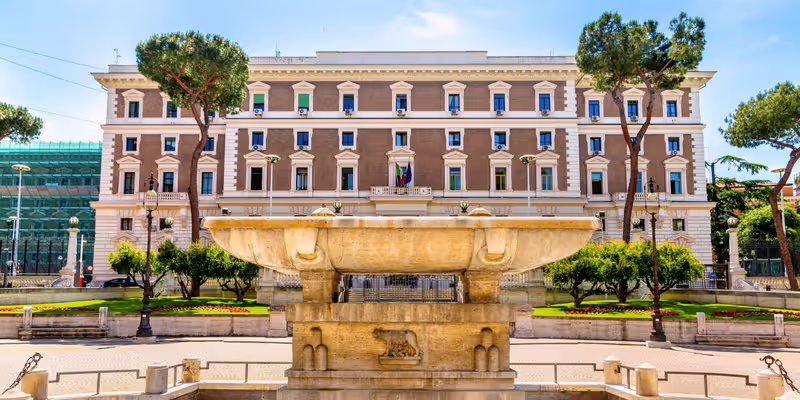
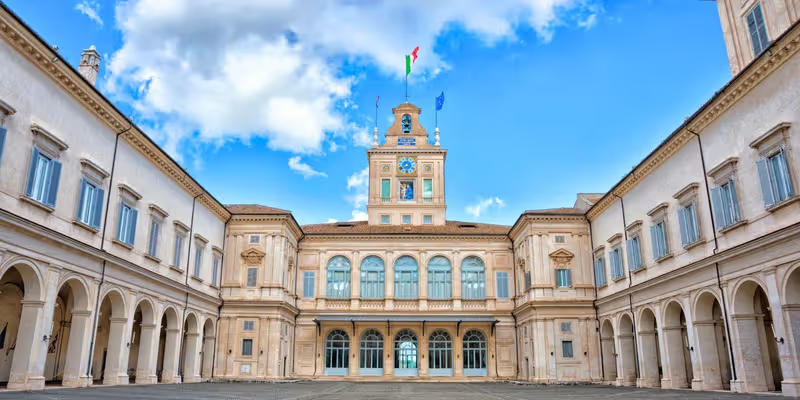
Quirinal Hill, distinguished as the highest of the Seven Hills, beckons visitors to explore its regal past. Meander through the opulent Quirinal Palace, the home of popes, kings and Italy's president, and become enchanted by the mesmerizing beauty of the world famous Trevi Fountain. Revel in the exquisite art collection housed within Palazzo Barberini, and admire the architectural brilliance of the Church of San Carlo alle Quattro Fontane. Your unforgettable Roman adventure on the stately Quirinal Hill awaits.

Top attractions

  • Quirinal Palace
  • Trevi Fountain
  • Palazzo Barberini
  • Church of San Carlo alle Quattro Fontane

常见问题和提示

斗兽场现在对公众开放吗?

是的,斗兽场向公众开放,并且恢复了每月周日的免费开放。

参观斗兽场需要门票吗?

是的,参观斗兽场需要门票,即使您可以免费参观或免费入场。

参观斗兽场的费用是多少?

Colosseum tickets without tours range from €16 to €22 and you can examine the various ticket options here. 

If you're interested in guided tours at the Colosseum, prices start from about €40 and can vary significantly based on the number of attractions visited, your group size and any additional services, such as a hotel pickup and drop-off.

为什么要参观斗兽场?

斗兽场又称弗拉维安圆形剧场,可能是罗马最具标志性的地标,也是世界上最著名的景点之一。斗兽场建于近 2000 年前,位于罗马市中心,被视为古代工程和建筑的壮举。

几个世纪以来,斗兽场举办了许多历史活动,包括角斗比赛、战车比赛、戏剧表演、宗教游行、海军重演,甚至公开处决。因此,参观斗兽场是了解古罗马人日常生活、习俗、传统和价值观的绝佳机会。

斗兽场位于何处?

斗兽场位于罗马市中心的斗兽场广场,毗邻罗马广场和君士坦丁拱门。乘坐公共交通(包括公交车和罗马地铁)前往斗兽场非常方便,"Colosseo "站是最近的地铁站。

斗兽场内能看到什么?

在斗兽场内,您可以穿过并探索古代圆形剧场的许多拱门和走廊。游客通常可以看到观众观看比赛和活动的座位区,其中一些座位区已经修复和重建。斗兽场博物馆还举办了多个展览,介绍斗兽场的历史、意义和过去的用途。

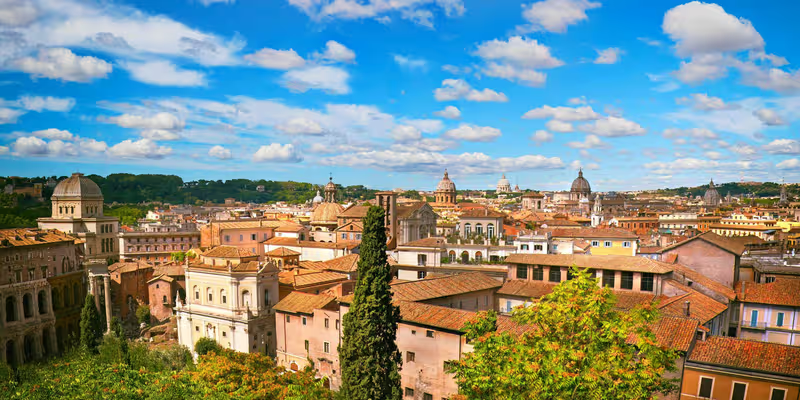
根据您预订的门票,您还可以参观重建的竞技场本身,角斗士比赛和其他壮观场面都是在这里举行的;您还可以参观地下密室,比赛前动物和角斗士都是在这里饲养的。在斗兽场的上层,您还可以欣赏到周围地区的壮丽景色,包括罗马广场和帕拉丁山。

斗兽场是否提供导游服务?

是的,斗兽场及周边考古遗址有导游服务。导游服务可以与门票一起在官方网站上预订,但供应可能有限。为了更加方便和有更多选择,您也可以向旅行社预订斗兽场的导游服务。

如何避免在斗兽场排队?

在斗兽场不排队的最简单方法是提前购票,可以从官方网站或旅游供应商处购买。另外,您也可以预订一个小团队或私人导游游览斗兽场,以避免排长队。

需要注意的是,由于罗马斗兽场是罗马最受欢迎的景点之一,即使是免排队参观,也可能需要等待。

斗兽场何时开放参观?

斗兽场每天开放,圣诞节和元旦除外。有关冬季和夏季参观时间的详细信息,请查阅开放时间

我在斗兽场需要多少时间?

大多数游客在斗兽场逗留的时间约为 2 小时,但主要区域可在 1 小时内游览完毕,而更全面的游览可持续长达 3 小时。如果您还计划游览周边地区的其他景点,如罗马广场、帕拉丁山或超级大剧场遗址,您可以轻松地花上半天甚至更多时间。因此,导游服务是游览斗兽场时不错的选择。

斗兽场内允许拍照吗?

是的,游客可以拍照留念,但禁止使用三脚架、独脚架、自拍杆和闪光灯拍照,因为它们会损坏考古遗址内脆弱的艺术品和结构。

斗兽场有着装要求吗?

斗兽场没有着装要求,但游客必须尊重考古遗址,避免触摸墙壁和遗址。此外,妥善处理垃圾也很重要。

我可以在斗兽场内携带什么物品?

斗兽场入口处设有机场式安检,所有游客都必须通过金属探测器。斗兽场内禁止携带玻璃瓶、刀和剪刀等危险物品。游客可以携带塑料水瓶、小包和背包,但行李箱和大包等大件物品禁止入内。斗兽场内没有衣帽间,因此如果您携带任何违禁物品,将不被允许进入。

斗兽场是否可供轮椅通行?

是的,行动不便的游客可以通过底层的坡道进入斗兽场。还有一部电梯可以通往中间层。遗憾的是,由于考古遗址的限制,轮椅使用者无法进入斗兽场的地下和顶层。